When people talk about the digital farm logbook, three acronyms always come up: SIEX, REA and CUE. Many people use them as if they meant the same thing, but they do not. The REA is the register where the authorities hold your holding and your plots; the digital logbook is where you record what you do on them. If the first is wrong, the second cannot be right. This article explains what the REA is, where its data comes from and what you need to check before sending anything to the digital logbook.
The regulation: Real Decreto 1054/2022
Real Decreto 1054/2022, of 27 December (the Spanish royal decree establishing the information system for agricultural and livestock holdings and agricultural production), creates the Sistema de información de explotaciones agrícolas y ganaderas y de la producción agraria (SIEX), and within it regulates two components:
- The Registro Autonómico de Explotaciones Agrícolas (REA, the regional register of agricultural holdings), which each autonomous community sets up and manages in electronic format (article 6).
- The Cuaderno digital de explotación agrícola (CUE, the digital farm logbook), the record of the holding's activity (articles 9 and 10).
The minimum content of both is set out in Orden APA/204/2023 (the Spanish ministerial order implementing it). The royal decree has been amended several times since it was published (among others, by Real Decreto 1177/2023 and Real Decreto 34/2025), so it is always worth consulting the consolidated text in the BOE (Spain's official state gazette).
What the REA is and what data it holds
The REA is the official census of the agricultural holdings in each autonomous community. Its minimum content is set out in annex I of the royal decree and covers two blocks:
- General data on the holding: the data that identifies the holding and its holder.
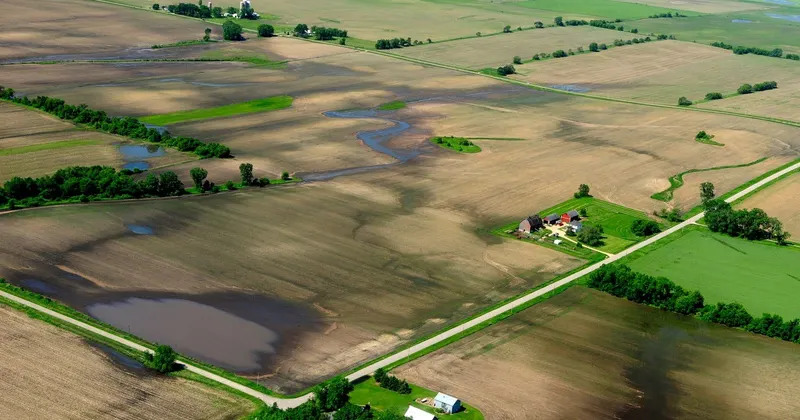
- Data on the agricultural production units: the plots, with their location in the SIGPAC parcels (Spain's land parcel identification system) and the graphic delimitation of each crop within the parcel.
The "graphic delimitation of crops" is one of the key ideas: a SIGPAC parcel can have more than one crop, and the REA records the specific area of each. That outline is the reference against which treatments and fertilisation are later recorded.
Article 6 also states that the authorities automatically add the data they already hold from other registers, and that the holder is responsible for the accuracy of the data they provide.
Who is registered and how
Article 8 distinguishes between several cases:
- Holders who submitted the single CAP application (the EU Common Agricultural Policy) in 2023, or who were registered in the previous general register (REGEPA), were registered automatically.
- New farmers who submit a CAP application are also registered automatically.
- All other holders with agricultural production units must apply for registration, amendments and deregistration through the procedure set by their autonomous community.
If you receive CAP payments, you are most likely already in the REA with what you declared. If you do not apply for them, check with your autonomous community whether your holding is listed and with which plots.
How it relates to the digital logbook
The digital logbook does not invent plots: it uses those in the REA. Article 7 provides that the holder can download their REA data to use it in the logbook, and records are sent to the authorities on those same units. In practice:
- The REA says which holding you have and which crops are in each parcel.
- The digital logbook records what you do on them: plant protection treatments and, where applicable, fertilisation and irrigation.
- The authorities cross-check the two. A treatment on a plot or a crop that is not in the REA does not match.
On the obligation: article 9, following Real Decreto 34/2025, establishes that the logbook is kept where sectoral regulations require it, and that electronic completion is voluntary unless a sectoral regulation imposes electronic recording. That is the case for plant protection treatments: Real Decreto 1311/2012, as amended by Real Decreto 1039/2025, allows the treatment record to be kept on paper only until 31/12/2026. The eighth final provision of Real Decreto 1054/2022 also provides that the full digital logbook will be mandatory for larger holdings (more than 30 hectares, more than 5 irrigated or more than 0.1 under greenhouse) from the next CAP programming period. That date depends on the European calendar, so confirm it with your autonomous community.
What to check in your REA
- Correct holder. Especially if the holding has changed hands or a company has been set up.
- All plots. Rented plots and those not declared to the CAP must also be included.
- Up-to-date crop and variety. A grubbing-up or replanting that has not been notified leaves the register out of date.
- Crop delimitation. If two crops share a parcel, each must have its own area.
- Cropping system. Rainfed or irrigated, open air or protected.
- Matching your way of working. Your internal "plots" or "sectors" must be unambiguously assignable to the REA units.
A practical tip: do this check before the season starts, not when the first logbook submission comes back with errors. Correcting the REA has its own procedure and deadlines.
Cooperatives and advisory firms
Many small growers will not manage their digital logbook directly. The system allows an entity (a cooperative, a marketing company or an advisory firm) to act on behalf of its growers. In that case the entity needs each grower's REA data in order to record and submit their treatments, and it is worth agreeing from the outset who checks that the plots are up to date.
The REA and the digital logbook in GAP
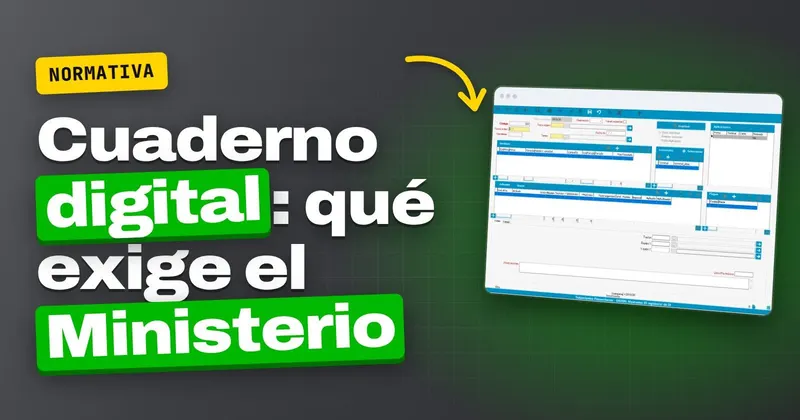
GAP imports your holdings and plots from the Registro de Explotaciones Agrarias (the register of agricultural holdings), just as the authorities have them. On that basis it sends to your autonomous community's digital logbook (CUE) the treatments you already record in the program, checks that the authorities have accepted them and alerts you if they ask for something to be corrected. Cooperatives, marketing companies and advisory firms can submit from GAP, as an authorised entity, the logbook of all their growers.
Because GAP works at the level of farm, variety and decision unit (plot), the same data that goes to the logbook is used for traceability and for the costs of each plot.